Biodegradable products
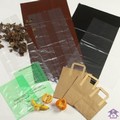 Polybags Ltd. now manufacture and stock a wide range of eco-friendly green packaging and biodegradable products to suit your needs and help towards a better environment (both PolyBio and Biodegradable). These include kitchen waste and refuse bags, bin liners, carrier bags and standard bags developed in Polybags laboratories in conjunction with the Polymer Research Department at the London Metropolitan University.
Why environmental bags has become a popular search term
Biodegradable plastic in mulch film is normally judged less by the label and more by how it behaves on the field and in the packing shed. A film that sees fine on paper can still split amid laying if the gauge is uneven or the roll has poor tension, and that creates wasteful stops and patching on the machine. The proper value comes when the material grasps together long enough to suppress weeds, then smashs down in a controlled method without leaving awkward fragments behind. That balance affects labour, crop presentation, and the amount of secondary packing needed later.
Global Food Biodegradable Packaging Market Analysis 2018 - Forecast to 2025
Biodegradable packaging only delivers value when the material selection matches the job on the line. A film or board that smashs down more readily can still fail badly if it has poor seal quality, weak puncture resistance or the gross gauge for the pack weight. On a busy shop floor, that means checking how the pack behaves through forming, filling, transit and storage rather than relying on the sustainability label alone. Food packs in specific need proper barrier performance and a stable shelf life, or waste simply transports from one part of the chain to another. A spec that fits the product and the process retains damage, returns and product loss below control.
Will These Biodegradable Bags Make It To The Mainstream?
Biodegradable bags can reduce the pressure on normal plastic when they are specified and handled properly, nevertheless they need careful thinking from the beginning. A bag manufactured from plant-based material is only useful if it has the proper gauge, seam strength, and shelf life for the job it is meant to transport out. Thin stock that sees fine on a sample reel can fail at the packing bench, while a stronger film may suit heavier products or longer distribution chains. The proper test is whether the bag still performs through storage, loading, and client handling without tearing early or leaving a poor impression.
Hemp hardwoods, bioplastics expand crop use beyond CBD
Bioplastics tied to hemp will only expand when the supply chain can reliably turn raw crop into consistent feedstock. At the moment, the weak link is processing capacity, not the view itself. Hemp has to be decorticated, cleaned and prepared before it becomes a material that a plastics maker can in reality use, and that means plant yield, moisture control and machinery uptime all matter. If the processing stage is thin on the ground, plastic producers cannot plan volumes or grasp proper specification, which makes contract supply dangerous. The practical result is simple: without a stronger industrial route from field to factory, hemp-based polymers stay small to small trials rather than normal production.
Eco-friendly bags have to be judged by what they do in the warehouse, not by how green they see on a shelf. A cotton or canvas bag can seem robust, yet the material weight, stitch pattern and handle attachment determine whether it carries a loaded carton, retains its shape after repeated lifting and packs flat without fighting the line. When the weave is loose or the seams are badly formed, the bag twists and sags, which leads to handling damage and awkward returns. A sensible specification beginnings with load performance and stackability, because a bag that works in trade conditions saves trouble later.
Environmental bags only work well when the material matches the job in hand. A sack for litter or recyclables has to deal with damp contents, awkward shapes and the kind of rough treatment that happens in bins, cages and assortment areas, so gauge and seal strength matter as much as the greener label on the box. If the film is also light, a full bag can split at the side seam or base; if it is also heavy, material is wasted and storage becomes less efficient. The proper selection retains bags intact through filling, lifting and disposal, which means less clean-ups and less handling damage on the floor.
What is Eco-Friendly Packaging?
Eco-friendly packaging can cut waste at origin by selecting lighter materials, less layers and board grades that do the job without carrying additional dead weight. In a warehouse, that means easier handling, better pallet density and less space lost to fat air-filled packs that travel badly and cost more to shift. It can also reduce damage if the pack is designed properly, because a well-manufactured carton or tray often protects product better than a cost-effective mixed-material substitute. The proper win comes when the pack is specified with the full journey in mind, not only the shelf see. Good material selection saves resources and normally makes stock handling simpler also.
Compostable Bags Market Intelligence Report Includes Market Dynamic, Product, Application our telephone
Compostable bags can offer a practical route for lightweight packing where normal polythene suppliers is below pressure from waste rules and client expectations. Their proper advantage relies on how they behave on the shop floor and in the supply chain, not only on the label. Film gauge, seal quality and moisture resistance all have to be proper, because a bag that tears in transit or softens in damp storage soon creates handling damage and complaints. On the plus side, they suit short-life products, food waste streams and secondary packing where clean disposal matters. That makes them a useful option, nevertheless only when the specification matches the product and the route to market.
Global Biodegradable Plastic Bags Industry Market Research Report 2019
Biodegradable plastic bags are shaped as much by regulation as by material selection, because a bag that works in one market can fail the rules in another. The proper issue is not only whether the film smashs down, nevertheless how it is labelled, tested and accepted in the channel it serves. A retailer may need tidy shelf packs, while a depot may care more about tear resistance and storage life. If the specification is vague, buyers stop up with product that sees uniform on paper nevertheless causes sorting problems, claims or rejected consignment. Clear compliance makes the bag easier to place and easier to trust.
Global Biodegradable Plastic Bags Market: Segmentation
Biodegradable plastic bags can make sense for lighter duties, nevertheless their performance still relies on the job they are given. A film may smash down more readily after disposal, yet it still has to grasp a occupy, dash cleanly through packing equipment, and survive warehousing without tearing or sticking together. That means gauge, seal quality, and moisture exposure all matter at the production stage, while storage conditions can affect how reliably the material behaves on the shop floor. A poor selection here leads to split sacks, messy dispatches, and avoidable waste, so the proper test is whether the bag works properly before it ever reaches recycling or disposal.
Bioplastics
Bioplastics can take different length of times to totally compost, based on the material and are meant to be composted in a commercial composting facility, where higher composting temperatures can be reached and is between 90-180 days. Most existing international standards require biodegradation of 60% within 180 days along with certain other criteria for the resin or product to be called compostable. It is also important to make the distinction between degradable vs. biodegradable vs. compostable as often these terms are used interchangeably.
Biodegradable Plastic
Biodegradable Plastic is plastic which will degrade from the action of naturally occurring microorganism, such as bacteria, fungi etc. over a period of time. Note, that there is no requirement for leaving "no toxic residue", and as well as no requirement for the time it needs to take to biodegrade.
Recycling is also important for the environmental and for that we also have a recycled bags page with interesting information.
Degradable Plastic
Degradable plastic includes all classes of degradable plastic including the biodegradable and compostable. However, plastic that is not biodegradable or compostable usually use the label Degradable plastic. Most of the products using the label Degradable plastic, degrade as result of physical and chemical impact. Biological activity is not a significant part of the degradation of these products, or the process is too slow to earn the classification Biodegradable or Compostable.
Types of Degradable Plastic
Starch-based
Some degradable plastic products are based on starch derived from maize. These materials predominantly require an active microbial environment such as landfill or composting before they will degrade some will totally degrade in such an environment but others will only perforate, and the plastic component will not degrade. The remaining plastic particles can e harmful to soil, birds and other wildlife. Whilst using renewable ingredients may seem attractive in principle, they do not offer the best way forward.
Aliphatic
Another type of degradable plastic uses aliphatic polyesters, which are relatively expensive. In the same manner as starch, they rely on microbial activity in compost or landfills before they will degrade.
Photo-degradable
These will degrade when exposed to sunlight, but will not degrade in a landfill, a sewer, or other dark environment.
Oxo-bio-degradable
The products above degrade by a process of HYDRO-degradation, but the most useful and economic of the new technologies produces plastic, which degrades by a process of OXOdegradation. This technology is based on a small amount of pro-degradant additive (typically 3%) being introduced into the conventional manufacturing process, thereby changing the behavior of the plastic. This does not rely on microbes for the degradation of the plastic, which starts immediately after manufacture and will accelerate when exposed to heat, light or stress. This process is irrevocable and continues until the material has reduced to nothing more than CO2 and water. It does not therefore leave fragments of petro-polymers in the soil.
Biodegradable or Biodegradeable?
It is very common to misspell biodegradable as biodegradeable (please take note yourself as some of our domains are actually misspelt!) and the same happens with degradable as degradeable. In fact when written down the word biodegradable often looks like an incorrect spelling and has been known to be corrected to biodegradeable by some overzealous and missinformed editors. So, now you know if someone tells you otherwise stick out your guns!